
Five things to settle before planning a konjac food production line
Separate ingredient milling from food forming first, then work through capacity, floor space, process flow and automation requirements.
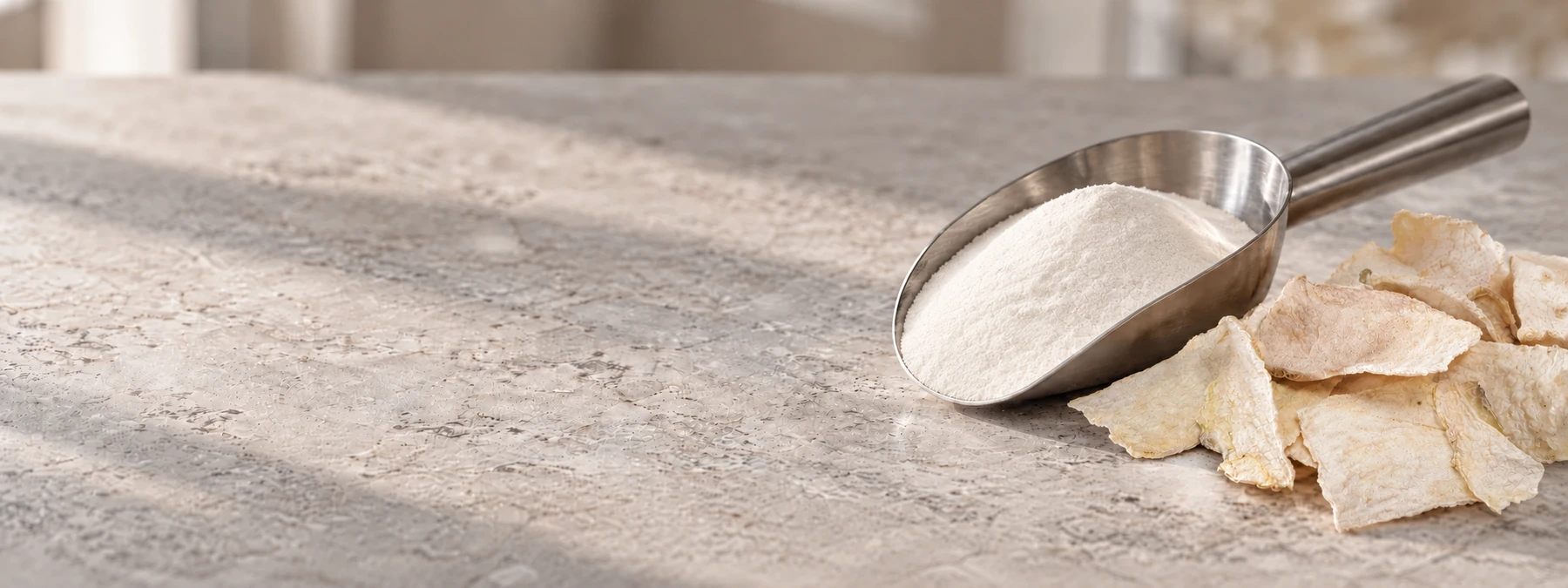
Line configuration should start from the target product. Milling konjac dried chips into powder and using powder to make konjac tofu, vegetarian or other foods are different project requirements; the equipment lists are not interchangeable.
1. Define the output
State the form in which the material arrives and what you want delivered: dried chips, powder, a semi-finished food or a packaged product. For a food project, also provide a sample, the shape, the packaging format and any verified process flow.
2. State the basis for capacity
Separate hourly output, daily running hours and the planned shift pattern, and state which process stage and which product state the figure refers to. Where grades are switched, describe the switching frequency and the cleaning arrangement as well — one number cannot describe the whole production condition.
3. Document the site conditions
- Available floor area, clear height, access routes and how equipment can be brought in.
- Power, water and other utility conditions.
- The layout of the existing production area, its upstream and downstream connections, and cleaning requirements.
4. Describe the existing process and automation needs
Distinguish a new project from a retrofit of an existing line, and state which equipment you want to keep, where manual intervention stays, how conveying connects and what metering is needed. The degree of automation should be discussed together with output, staffing and maintenance capability.
5. Confirm the delivery boundary
Confirm separately in the proposal and the quotation: equipment scope, site works, transport, installation and commissioning, training and after-sales. Performance should be confirmed on material, process and test conditions both sides have agreed.
You do not need a complete design for the first conversation, but providing the information above makes the configuration discussion concrete. The actual configuration is governed by the project confirmation documents.
Huipu selection and project communication notes; the original editing date is retained.
Huipu technical notes · purchasing and project communication checklist. Specific products and projects are governed by the corresponding documentation.
View ingredients & equipment →Prepare an enquiry →View reference material →