
Refined konjac powder and konjac gum: how to read the product documentation
Start from the food application, specification and test method. Collect batch documents and sample requirements instead of choosing on a name or a single viscosity figure.
The short version: names are for talking, specification and sample trials are for deciding
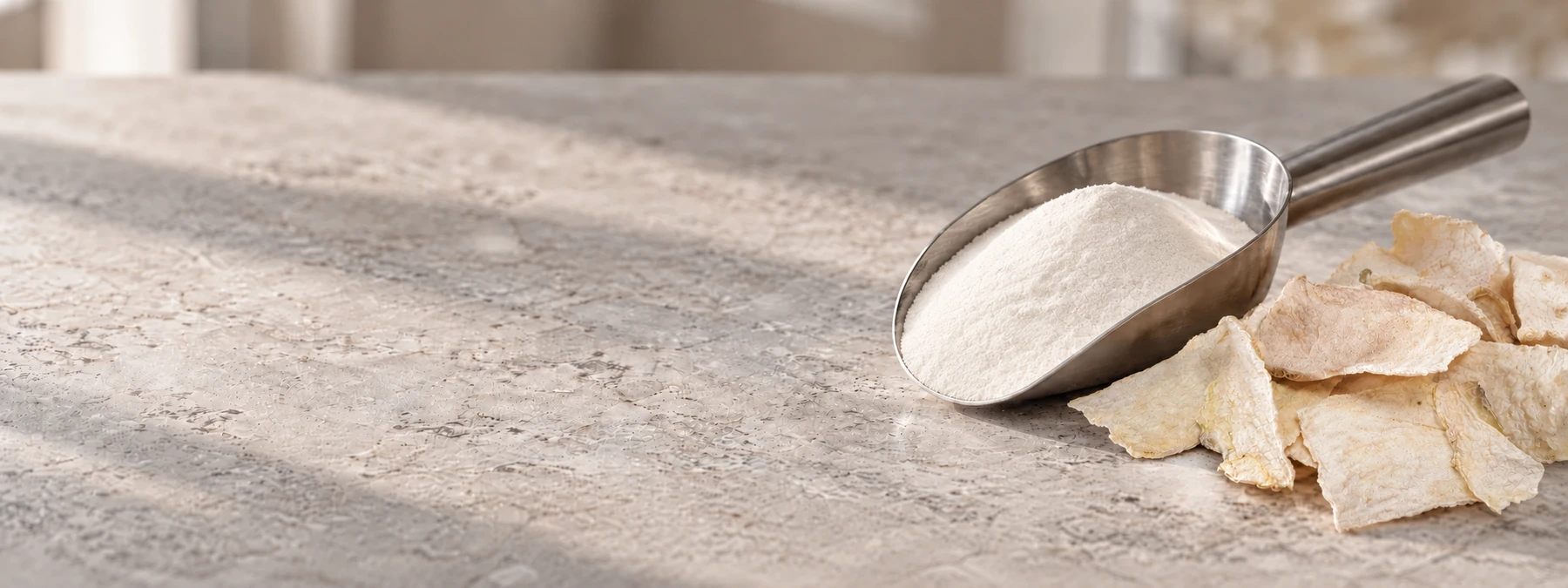
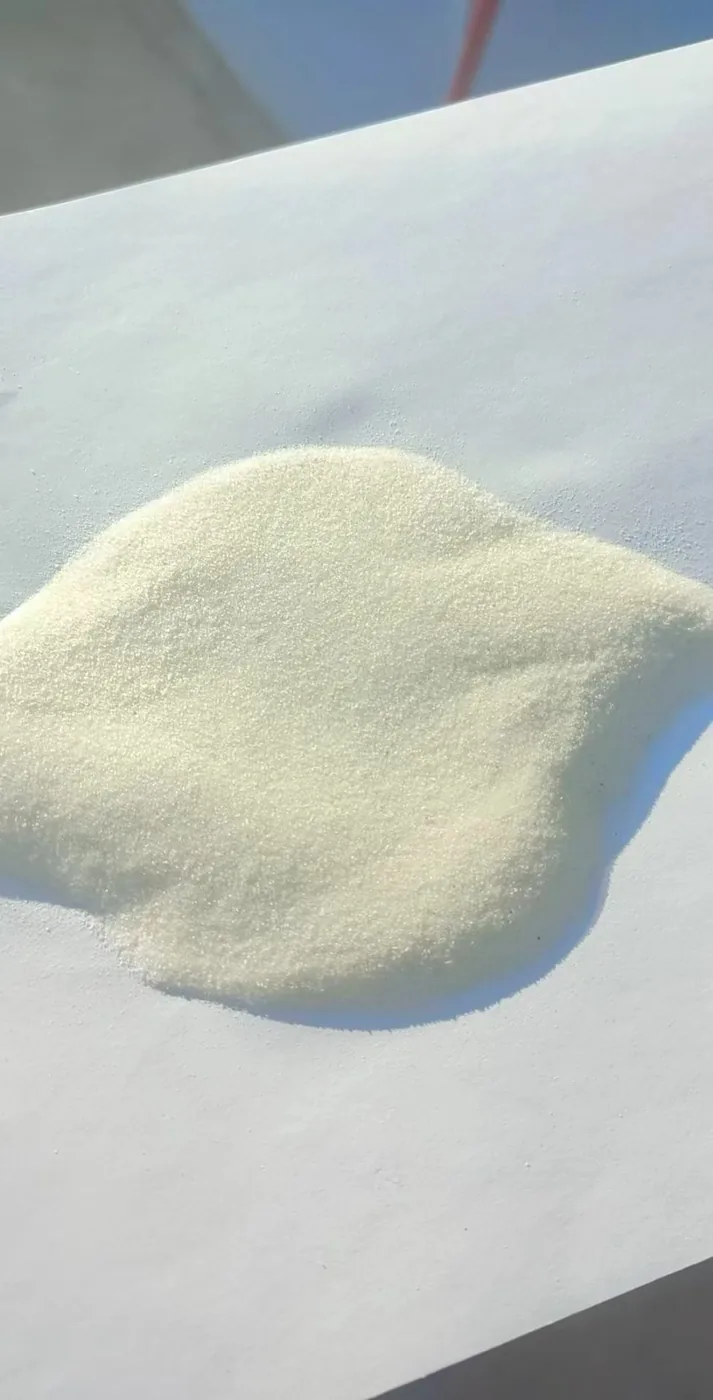
When choosing between konjac powder, refined konjac powder and konjac gum, state the food you are making, the role the ingredient plays in the formulation, the processing conditions and the purchasing specification, then discuss the grade. A name, a powder photo or a single viscosity figure is not enough to judge whether a particular material suits the target food.
ALL KONJAC's ingredient page It sets out three enquiry directions — konjac powder, refined konjac powder and konjac gum — and their technology page Texture, thickening, gel formation, water holding and stability are listed as formulation objectives open for discussion. These pages record our own business narrative; they are not third-party proof of supply or performance.
Align four sets of information before comparing
- Food applications: the finished product name, the intended form, and the role the ingredient has to play.
- Target performance: the texture, thickening, gel formation, water holding or stability problem to be solved.
- Process conditions: the addition stage, temperature, mixing method, standing or hydration time, and other formulation constraints.
- Purchasing terms: specification, expected dosage, packaging, delivery region and destination market.
These are requirements and evaluation items; they do not mean any one ingredient can meet all of them. Names such as “refined” or “food grade” also do not on their own prove purity, certification or suitability for a particular market.
When reading the product documentation, confirm documents match the sample
Swipe sideways on a small screen to see the full table.
| What to confirm | Which records you need |
|---|---|
| Product identity | Full product name, grade, processing category, specification-sheet version and applicable standard |
| Sample identity | Sample number, batch number and the matching certificate of analysis (COA) |
| Composition parameters | The items tested, the method, the results, and the reporting basis (dry basis or as-is) |
| Viscosity | Concentration, temperature, hydration time, instrument model, spindle or geometry, and rotational speed |
| Target food performance | Formulation version, trial method, acceptance target and repeat-trial results |
Ask the supplier for the specification of the grade being offered, the test method and conditions, the COA for the matching batch and the sample arrangements. Historical sample data is not a standing guarantee for every future batch; where documents are not yet available, record the gap.
What to send in a first enquiry
- The finished product name and use, and the performance you want to improve.
- The current formulation, process and constraints you can share.
- Purchasing specification, expected quantity, packaging and delivery region.
- The sample evaluation method and pass criteria already in use.
- The specification sheets, batch reports and destination-market documents you want to request.
The final selection needs the actual project documents and sample results. Where market access and commercial terms are involved, confirm item by item against the specific material and the destination market.
Frequently asked questions
Is konjac gum always a better fit than refined konjac powder?
A name alone does not settle it. Compare the composition and test basis of the actual grade first, then run a sample trial under the same conditions. A fuller discussion of the terminology and the measurement differences is in Refined powder compared with konjac gum.
If the viscosity is higher, can the dosage simply be reduced?
Viscosity in water is not the same as performance in the finished food. Substituting an ingredient or changing the dosage has to be compared in the target formulation; a fixed replacement ratio cannot be assumed. Test conditions are in the hydration, viscosity and gelation selection guide.
Source and scope
This article was compiled in parallel from ALL KONJAC's ingredient enquiry guide, and retains Huipu's original product-reading checklist. The business pages above are first-hand description; this article is purchasing communication advice. It does not replace the specific product specification, test reports, compliance review or a formulation trial, and it adds no performance guarantee for Huipu's supply.
Explore refined konjac powder →Explore konjac gum →Contact us →